
Medically reviewed by Dr. Ehtesham Ghani, Internal Medicine & Bariatric Medicine (ASBP). Last reviewed June 2026.
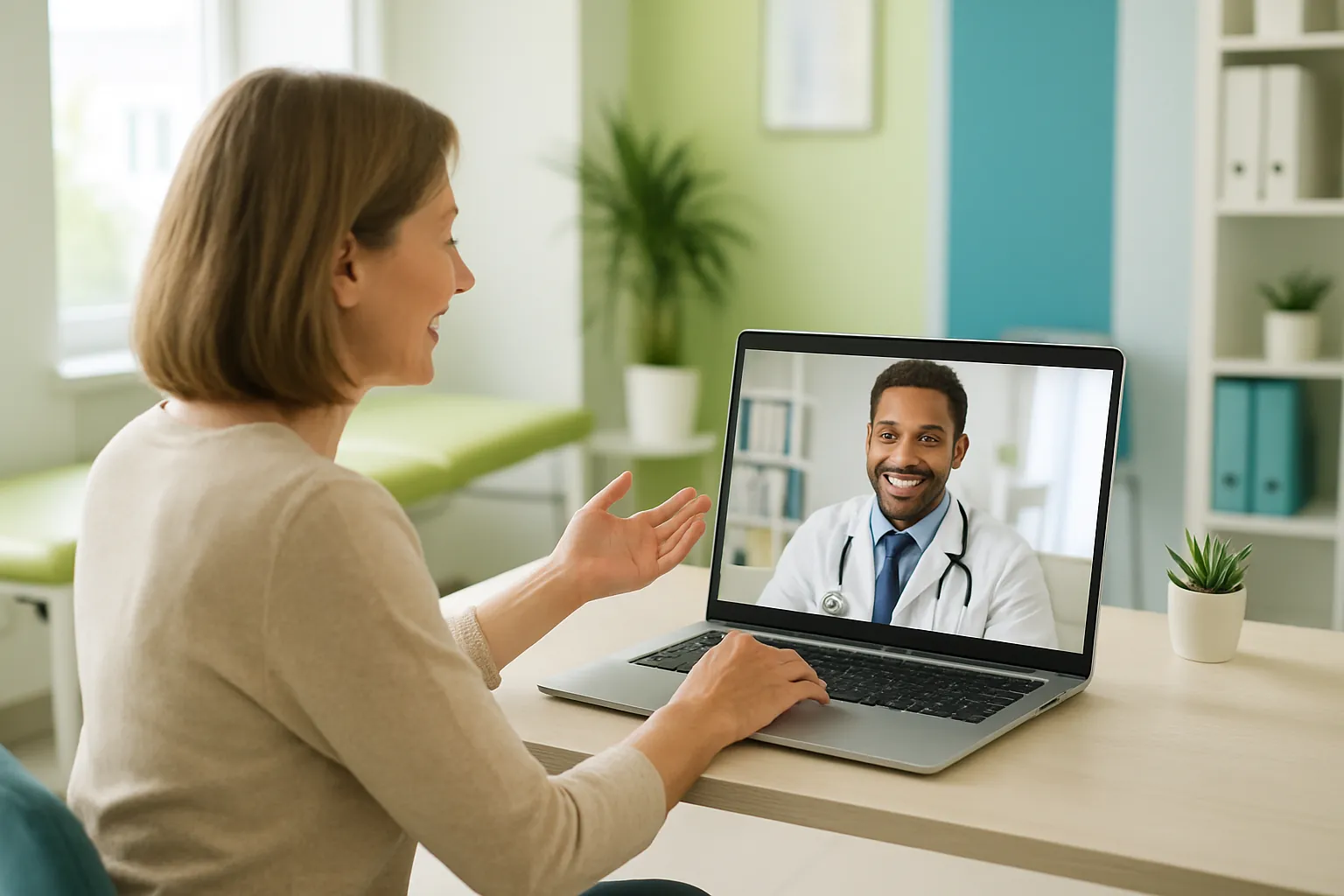
Telehealth has made medical weight loss more convenient than ever, but convenience should never replace real medical care. At ThinFast MD, online consults are built on top of a physician-led program that has supervised weight loss in Illinois since 1984. That means your virtual visits are connected to actual exams, lab work, and four local clinics in Hinsdale, Arlington Heights, Brookfield, and Rockford, not a faceless mail-order pipeline. This page explains how our telehealth weight-loss visits work, who they are appropriate for, and how they fit alongside an in-person plan.
What is telehealth weight loss at ThinFast MD?
Telehealth weight loss means meeting with a member of our medical team by secure video or phone instead of driving to a clinic. We use online consults primarily for follow-up visits, dose check-ins, side-effect questions, progress reviews, and ongoing coaching, the kinds of touchpoints that keep your plan on track between in-person appointments. It is designed for patients who want flexibility around work, travel, or distance, while still being cared for by a physician-supervised program rather than an app alone.
Telehealth is a tool within our broader practice, not a separate, lesser version of it. Whether you are managing appetite suppressants or a GLP-1 medication, your online visits draw on the same clinical record, the same physician oversight, and the same Illinois clinics you can walk into when needed.
How is an online consult different from mail-order weight-loss services?
Many telehealth-only companies operate as mail-order medication services: you fill out a form, a clinician you may never speak to signs off, and product ships to your door. ThinFast MD is the opposite model. Our telehealth visits are anchored by in-person physician care, including a history and physical exam, lab testing, EKG when appropriate, and a metabolism review. Medication, when prescribed, is one part of a supervised plan, not the entire transaction.
This matters because weight-loss medications such as semaglutide and tirzepatide are real prescription drugs with real screening requirements. An in-person foundation lets your physician catch issues a questionnaire cannot, monitor your response over time, and adjust your plan safely. Telehealth then layers convenience on top of that foundation rather than substituting for it.
Why does the in-person screening matter before telehealth?
The screening is not a formality, it is how your physician confirms a medication is safe for you before it is ever prescribed. According to FDA prescribing information, GLP-1 and GIP/GLP-1 medications, including semaglutide (Wegovy, Ozempic) and tirzepatide (Zepbound, Mounjaro), carry a boxed warning and are contraindicated in people with a personal or family history of medullary thyroid carcinoma or Multiple Endocrine Neoplasia syndrome type 2 (MEN2). Reviewing your personal and family history in detail is exactly the kind of step a quick online questionnaire can miss.
The same care applies to appetite suppressants. Per FDA labeling, phentermine and related medications are not appropriate for everyone, including people with uncontrolled high blood pressure or significant cardiovascular disease, which is part of why a history and physical, blood pressure check, and EKG when indicated are built into our evaluation. Identifying these factors up front is what makes ongoing telehealth follow-up safe. Medication is prescribed only when it is clinically appropriate for you, and your physician will review the risks and benefits with you directly.
Do I need an in-person visit before telehealth appointments?
Yes. Initial medical evaluation requirements apply. New patients begin with an in-person assessment so our team can complete a history and physical, order baseline labs, review your EKG if indicated, and evaluate your metabolism and medical history. This first visit establishes a safe, individualized starting point and confirms whether a given medication or program is clinically appropriate for you.
Once that medical foundation is in place, many follow-ups can shift to telehealth. Periodic in-person visits and lab work may still be recommended to monitor your progress, check how your body is responding, and keep treatment safe. Your physician will tell you what cadence makes sense for your situation, since individual results and medical needs vary.
What can be handled during a telehealth weight-loss visit?
Online consults are well suited to ongoing management once you are established as a patient. Common telehealth touchpoints include reviewing your weight trend and progress, discussing appetite and side effects, adjusting medication dosing under physician guidance, answering nutrition and lifestyle questions, and coordinating refills. Patients on programs involving compounded semaglutide, brand Wegovy or Ozempic, tirzepatide (Zepbound or Mounjaro), or appetite suppressants like phentermine often find virtual follow-ups a practical way to stay consistent.
All of these medications are intended to be used with diet, exercise, and medical supervision. Telehealth makes it easier to maintain that supervision over the long term, which is often where results are won or lost. If you want to understand how the underlying medications work, our pages on GLP-1 semaglutide and tirzepatide for weight loss go deeper, and your physician can explain which approach fits your evaluation.
Who is a good candidate for telehealth weight loss in Illinois?
Telehealth tends to work best for established patients who are stable on their plan, comfortable with virtual visits, and able to come in periodically for labs or exams. It can be especially helpful for people balancing demanding schedules, those who live farther from our Hinsdale, Arlington Heights, Brookfield, or Rockford locations, and patients in our men’s weight loss, weight-loss maintenance, or corporate wellness tracks. Adolescent patients and those with conditions such as PCOS, type 2 diabetes or prediabetes, thyroid disorders, or menopause-related weight change can also benefit, with care coordinated by our team.
Because medical weight loss is individualized, the right mix of in-person and online visits depends on your health profile. The goal is always safe, supervised progress, with telehealth used where it genuinely helps and in-person care used where it is needed.
How do I get started with online consults?
Getting started begins with a call to our universal phone line at (708) 485-4050. Our team will schedule your initial in-person evaluation at the Illinois clinic most convenient for you and explain how telehealth follow-ups can fit your plan afterward. Pricing and insurance options are reviewed at your consultation, since coverage and the right program vary from patient to patient. From there, your physician-supervised plan, in person and online, is tailored to your needs.
Frequently asked questions
Can I get weight-loss medication entirely online without an in-person visit?
No. Initial medical evaluation requirements apply, so new patients complete an in-person assessment with a history, physical, labs, and EKG when indicated before telehealth follow-ups begin. This protects your safety and lets your physician confirm whether a medication is clinically appropriate.
How is ThinFast MD telehealth different from a mail-order weight-loss app?
Our telehealth visits are backed by in-person physician care, lab testing, and four Illinois clinics, rather than a questionnaire and shipped product. Online consults supplement a supervised program instead of replacing the medical evaluation.
What kinds of visits can be done by telehealth?
Telehealth is used mainly for follow-ups, including progress reviews, side-effect discussions, dose adjustments under physician guidance, and nutrition questions. Periodic in-person visits and labs may still be recommended to monitor your response safely.
Which medications are managed through the program?
Depending on your evaluation, options may include compounded semaglutide, brand Wegovy or Ozempic, tirzepatide (Zepbound or Mounjaro), and appetite suppressants such as phentermine, all used with diet, exercise, and medical supervision. Per FDA labeling, GLP-1 medications are not appropriate for patients with a personal or family history of medullary thyroid carcinoma or MEN2, so your physician determines what is safe and appropriate for you.
Do you offer telehealth across all four Illinois locations?
Yes. Telehealth follow-ups are available to established patients connected to our Hinsdale, Arlington Heights, Brookfield, and Rockford clinics. You can choose the location most convenient for your in-person visits.
How much do telehealth weight-loss consults cost?
Pricing and insurance are reviewed at your consultation, since costs and coverage vary by patient and program. Call (708) 485-4050 to discuss your options and schedule.
This page is for educational purposes only and is not medical advice. Medication is prescribed only when clinically appropriate following an individual evaluation, and is intended to be used with diet, exercise, and medical supervision. Individual results vary. Please consult Dr. Ghani or a member of the ThinFast MD medical team about your specific situation.
Find your nearest ThinFast MD clinic
We serve patients across the Chicago suburbs and Rockford. Choose your nearest location — Hinsdale, Arlington Heights, Brookfield, or Rockford — or call (708) 485-4050 to book. See all service areas.