Medically reviewed by Dr. Ehtesham Ghani, Internal Medicine & Bariatric Medicine (ASBP). Last reviewed June 2026.
If you are losing weight on semaglutide and feeling great about the number on the scale, there is one part of your body worth protecting along the way: your muscle. When weight comes off quickly, some of it can come from lean tissue rather than fat. The good news is that with the right amount of protein, regular strength work, and medical supervision, you can shift the odds in your favor. At ThinFast MD, our physician-supervised programs are built around healthy, sustainable weight loss, and that means caring about how you lose, not just how much. This guide explains why muscle matters and how to help protect it. To understand how semaglutide fits into a complete plan, see our guide to GLP-1 semaglutide treatment.
Why does weight loss sometimes cost you muscle?
Any time you lose a meaningful amount of weight, whether through diet, surgery, or medication, some of the loss tends to come from lean body mass, not just fat. This is a normal part of how the body responds to eating less. Research on GLP-1 medications shows that a portion of total weight lost can come from lean tissue, which is why clinicians pay close attention to the quality of weight loss, not only the quantity. Encouragingly, studies also suggest overall body composition can still improve as fat mass declines.
Semaglutide works in part because it reduces appetite, which naturally lowers how much you eat. That is exactly what helps the scale move, but it also means you have to be intentional about getting enough of the right nutrients, especially protein, in a smaller volume of food. Rapid weight loss without that intention can leave muscle vulnerable.
Why is protecting muscle worth the effort?
Muscle is more than appearance. It supports your metabolism, helps keep you strong and mobile, and contributes to long-term physical function as you age. Holding onto lean mass while you lose fat is one of the markers of a high-quality weight loss outcome, the kind of result our team aims for with every patient.
Preserving muscle can also support how you feel day to day, from energy to strength during everyday activities. That is why our physician-supervised approach pairs medication with nutrition counseling and practical lifestyle guidance rather than relying on the medication alone.
How much protein should you aim for?
There is no single number that fits everyone, and your ideal target depends on your body weight, age, activity level, and overall health. As a general principle, people losing weight are often encouraged to prioritize protein at every meal so that lean tissue has the building blocks it needs. The exact amount that is right for you should be set with your provider, who can tailor it to your situation.
A few practical habits tend to help:
- Make protein the first thing you eat at each meal, before appetite fades.
- Spread protein across the day rather than loading it all into one meal.
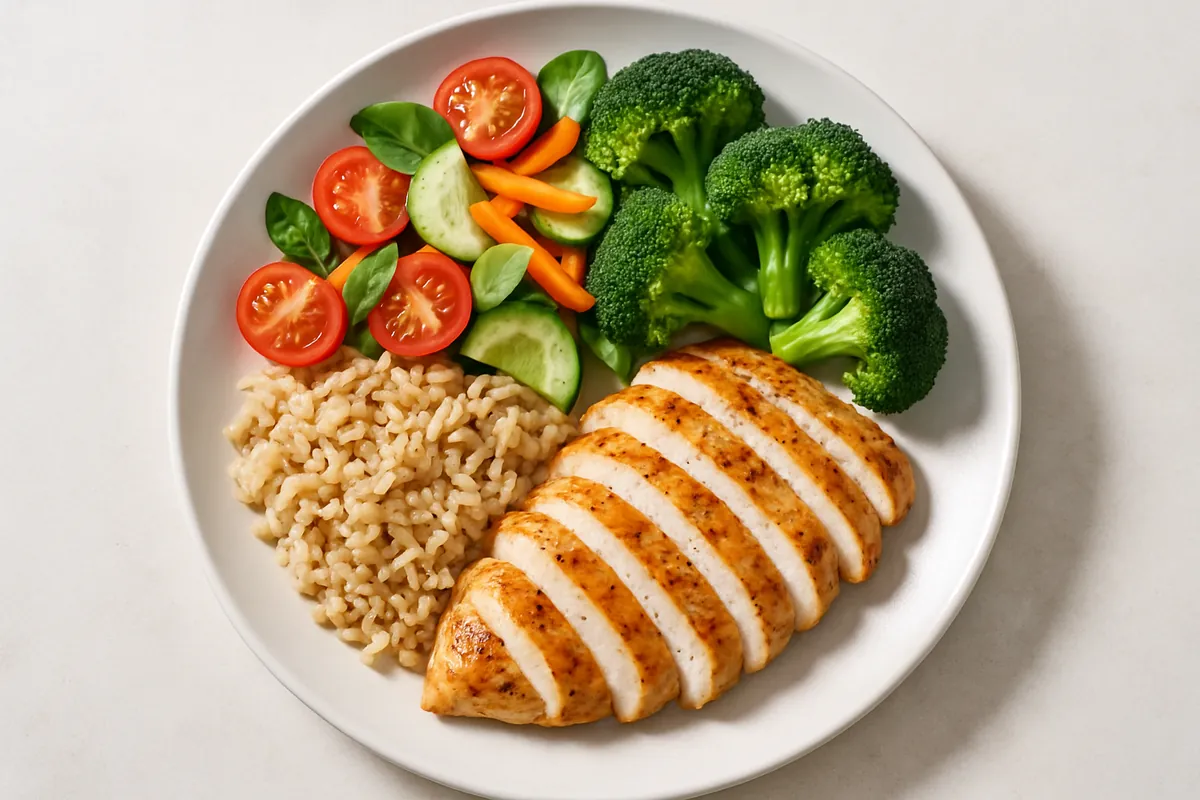
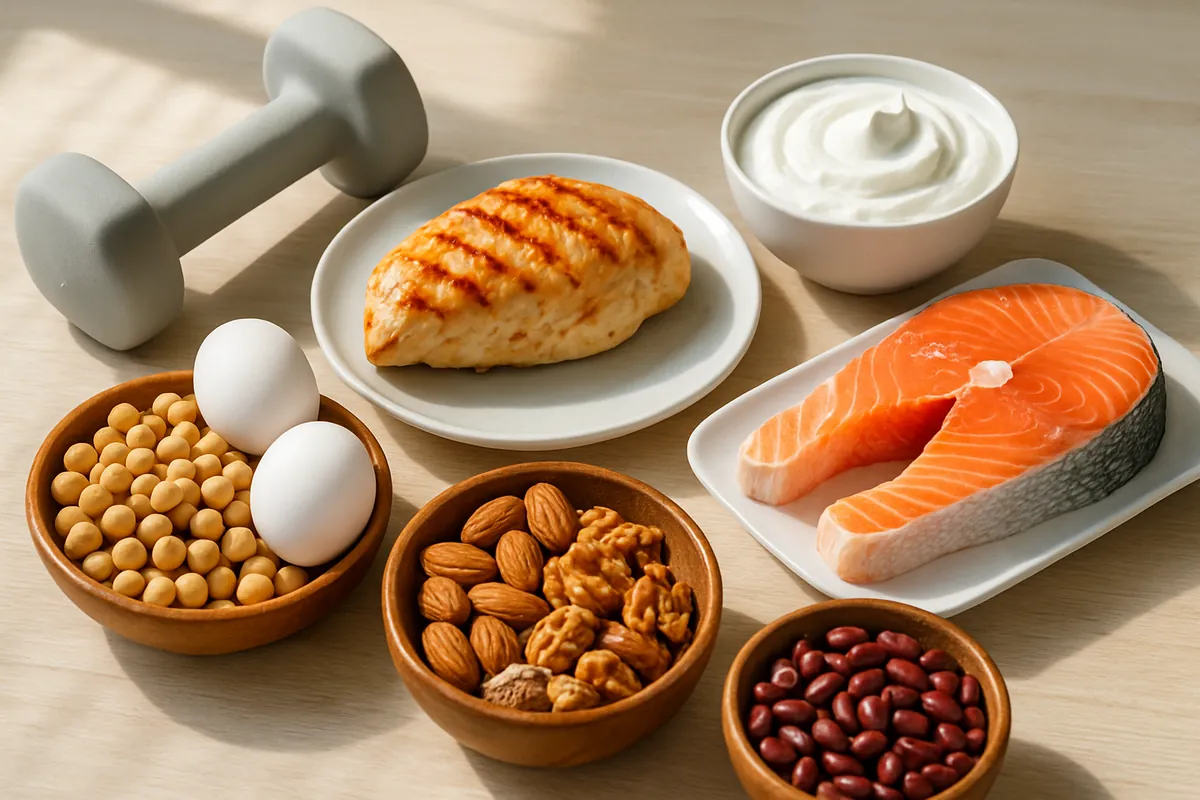
- Lean on quality sources such as eggs, poultry, fish, Greek yogurt, legumes, and tofu.
- Consider a protein-forward meal replacement on days when appetite is low. Our OPTIFAST and OptitrimMD options can help here.
This is general guidance, not a meal plan. Your specific targets and food choices are best decided with your ThinFast MD care team during nutrition counseling.
Does exercise really make a difference?
Yes. Protein gives muscle the raw materials, but resistance training is the signal that tells your body to keep that muscle. Research suggests that strength training, more than cardio alone, helps reduce lean mass loss during weight loss. People who combine a GLP-1 medication with regular resistance exercise may be more likely to hold onto muscle than those who rely on the medication by itself.
You do not need an elaborate gym routine to start. Two to three short resistance sessions a week, working the major muscle groups, can go a long way. That might mean bodyweight movements, resistance bands, or weights, whatever fits your fitness level. The key is consistency and gradually challenging your muscles over time. Always check with your provider before beginning a new exercise program, especially if you have other health conditions.
How does medical supervision tie it all together?
Semaglutide is most effective when used with diet, exercise, and medical supervision, not as a standalone fix. That is the model we have followed at ThinFast MD since 1984. Your provider can monitor your progress, adjust your plan, fine-tune your protein and nutrition strategy, and help you build sustainable habits that protect muscle while the fat comes off.
Medical supervision also matters for safety. Like other GLP-1 medications, semaglutide carries a boxed warning based on rodent studies showing thyroid C-cell tumors, and it should not be used by anyone with a personal or family history of medullary thyroid carcinoma (MTC) or Multiple Endocrine Neoplasia syndrome type 2 (MEN 2). Reviewing your full medical history with a physician is part of deciding whether this treatment is appropriate for you.
Individual results vary, and no program can promise a specific outcome. What we can offer is a thoughtful, physician-guided plan designed to help you lose weight in a way that supports your long-term health. To talk through whether semaglutide and a muscle-protecting plan are right for you, call ThinFast MD at (708) 485-4050 to schedule a consultation at our Hinsdale, Arlington Heights, Brookfield, or Rockford location.
This article is for educational purposes only and is not medical advice. Individual results vary. Talk with a qualified healthcare provider before starting any weight-loss medication or exercise program. In a medical emergency, call 911.