
Medically reviewed by Dr. Ehtesham Ghani, Internal Medicine & Bariatric Medicine (ASBP). Last reviewed June 2026.
If you have started semaglitude—if you have started semaglutide (Wegovy, Ozempic) or another GLP-1 medication, you have probably noticed your appetite is smaller and you fill up faster than before. That is the medication doing its job. But it also raises a practical question: when you are eating less, how do you make every bite count? The answer comes down to a few simple, repeatable habits. This is general guidance to help you eat well alongside your treatment, not a strict prescription. For the full picture of how these medications work, see our pillar guide to GLP-1 and semaglutide treatment.
Why does what you eat matter more on a GLP-1?
GLP-1 medications work by slowing how quickly your stomach empties and by quieting appetite signals, so you feel satisfied on far less food. The upside is meaningful weight loss when paired with diet, exercise, and medical supervision. In clinical trials, semaglutide produced average total body-weight reductions of about 15% in the STEP program, and tirzepatide showed roughly 15% to 21% across the SURMOUNT studies. Individual results vary. It is worth noting that not every brand is approved for weight loss: Wegovy (semaglutide) and Zepbound (tirzepatide) are FDA-approved for chronic weight management, while Ozempic and Mounjaro are approved for type 2 diabetes and are used for weight loss off-label. The catch is that when total food volume drops, it becomes easy to under-eat the nutrients your body needs most, especially protein. Eating intentionally is how you protect your energy, your muscle, and your results.
How much protein should you aim for?
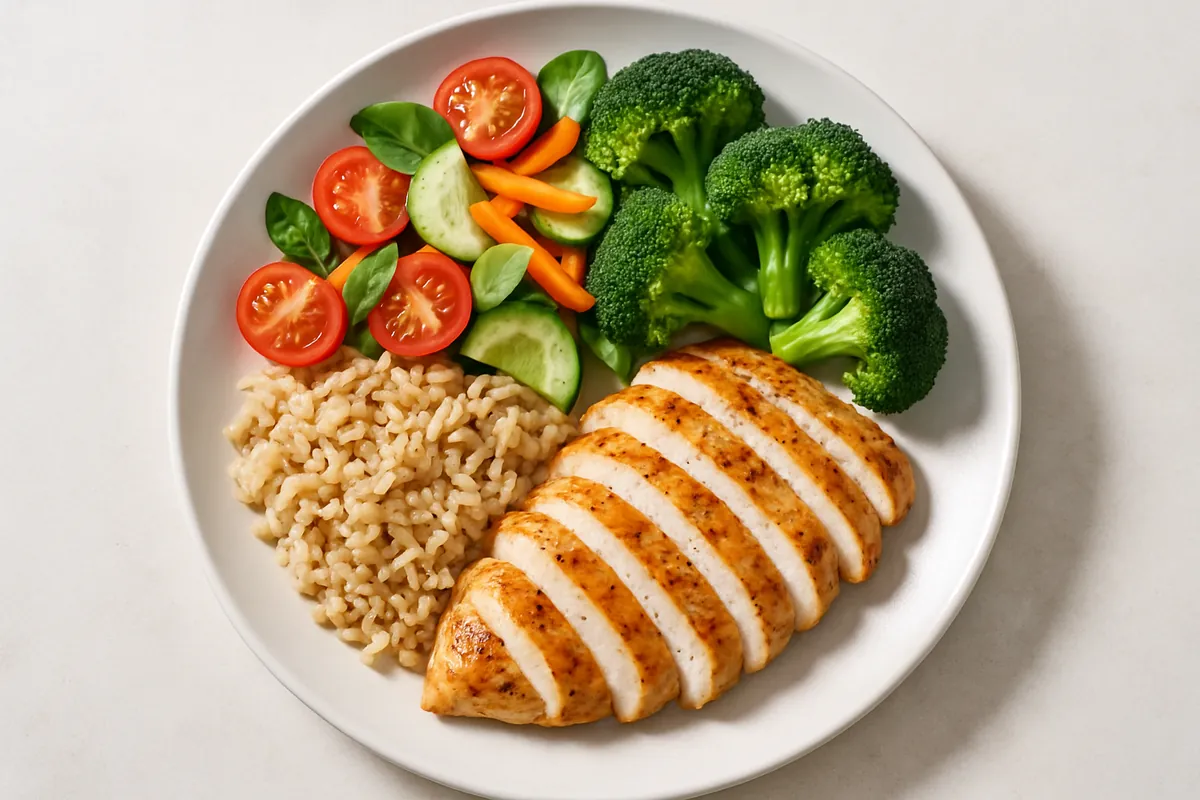
Protein is the single most important priority. When you lose weight, some of that loss can come from lean muscle rather than fat, and protein is what helps preserve muscle as the scale moves. A common, sensible target is roughly 20 to 30 grams of protein at each meal, though your provider may tailor this to you. Reaching for protein first, before you fill up on everything else, ensures you actually get it in before your appetite taps out.
Good options include:
- Eggs, Greek yogurt, and cottage cheese
- Chicken, turkey, fish, and lean cuts of beef or pork
- Beans, lentils, tofu, and edamame
- A protein shake or smoothie when solid food feels like too much
If your provider has recommended a structured plan like OPTIFAST or OptitrimMD meal replacement, those products are built to deliver consistent protein when your appetite is low, which can take the guesswork out of hitting your target.
What role does fiber play?
Fiber is your second priority, and it does double duty. It helps steady blood sugar, keeps you feeling full, and supports digestion. That last point matters because constipation is a common complaint on GLP-1 medications, and fiber-rich foods are one of the most effective ways to keep things moving. Build your plate around non-starchy vegetables, whole fruits, leafy greens, whole grains, and legumes. Aim to make vegetables and fruit a visible part of most meals rather than an afterthought.
How much should you be drinking?
Hydration is easy to overlook and surprisingly important. GLP-1 medications can dull your natural thirst cues, and because you are eating less food, you are also getting less of the water that normally comes from meals. Side effects like nausea can add to the risk of dehydration. Make a habit of sipping water throughout the day and with every meal. If plain water gets boring, unsweetened sparkling water, herbal tea, or water with a squeeze of citrus all count. Staying well hydrated also helps reduce headaches and fatigue that some people mistake for the medication itself.
How do you eat when you feel nauseous?
Nausea is one of the more common early side effects, and a few adjustments usually help. Instead of three large meals, try four to six smaller ones spread across the day. Eat slowly and stop when you feel comfortably satisfied rather than full, since overeating on a GLP-1 is a fast track to discomfort. Bland, lower-fat foods tend to sit better than rich, greasy, or heavily fried meals.
When solid food feels unappealing, especially in the morning, a protein smoothie can be far easier to get down, and you can sip it gradually. If nausea is persistent, severe, or paired with vomiting that keeps you from staying hydrated, let your care team know so we can adjust your plan.
What should you limit, and what safety signs matter?
You do not need a long list of forbidden foods, but a few categories tend to cause trouble. Large, high-fat, and fried meals are the most common offenders for nausea and sluggishness. Sugary drinks and refined carbohydrates can spike and crash your energy without offering much nutrition, and on a limited appetite that is space better spent on protein and fiber. Many people also find that alcohol hits harder and sits less comfortably while on these medications, so moderation is wise.
Beyond diet, it is important to know that GLP-1 medications carry an FDA boxed warning for a risk of thyroid C-cell tumors, including medullary thyroid carcinoma (MTC), based on animal studies. They are not recommended for people with a personal or family history of MTC or with multiple endocrine neoplasia syndrome type 2 (MEN 2). These medications should only be used under medical supervision. Seek prompt medical care for symptoms such as a neck lump, trouble swallowing, severe or persistent abdominal pain (a possible sign of pancreatitis), or signs of an allergic reaction.
Putting it together
The eating pattern that works best on a GLP-1 is refreshingly simple: protein first, fiber second, hydration always, and smaller meals to keep symptoms in check. These habits help you preserve muscle, feel steadier through the day, and get the most from your treatment, which is always meant to work alongside diet, exercise, and medical supervision. Your nutrition needs are personal, and your plan should reflect them. At ThinFast MD, our team builds individualized nutrition counseling and medication plans around your goals. To get started or ask a question, call us at (708) 485-4050.
This article is for educational purposes only and is not medical advice. Weight-loss results vary from person to person. Always consult a qualified healthcare provider before starting, stopping, or changing any medication or nutrition plan. If you are experiencing a medical emergency, call 911.