
Life After GLP-1: A Realistic Maintenance Plan

Medically reviewed by Dr. Ehtesham Ghani, Internal Medicine & Bariatric Medicine (ASBP). Last reviewed June 2026.

You hit your goal on a GLP-1 medication like semaglutide (Wegovy, Ozempic) or tirzepatide (Zepbound, Mounjaro). The scale moved, your clothes fit, and now a quiet question creeps in: what happens when I stop? It’s the right question to ask. Weight loss is only half the story; keeping it off is the other half, and it deserves just as much of a plan. The good news is that “life after GLP-1” is not a cliff. With the right structure, you can protect your progress for the long haul. This is part of our broader guide to weight-loss maintenance, and below we’ll walk through what a realistic plan actually looks like.

Why does weight come back after stopping a GLP-1?

Let’s name the fear directly, because it’s common and it’s valid: many people regain weight after stopping GLP-1 medication. In one well-known study, the STEP 1 trial extension, participants regained about two-thirds of their lost weight in the year after stopping semaglutide. These drugs work in large part by reducing appetite and slowing how quickly your stomach empties, which makes it easier to eat less. When the medication leaves your system, appetite signals tend to return, and without new habits in place, old eating patterns can return with them. This isn’t a personal failure or a sign the medication “didn’t work” — it’s biology. Your body has powerful systems that defend against weight loss. Understanding that regain has a physiological basis is exactly why a deliberate maintenance plan matters so much. Maintenance isn’t an afterthought; it’s a phase of treatment in its own right.

Do I have to stop the medication at all?

Not necessarily, and this is an important point. For many people, obesity is treated as a chronic condition, much like high blood pressure — managed over time rather than “cured” and walked away from. Some patients stay on a GLP-1 long term, sometimes at a lower maintenance dose. Others taper off entirely. The right path depends on your health history, how your body responds, your goals, and a conversation with your physician. There’s no single correct answer, and the decision should be made with medical supervision, never abruptly on your own. At ThinFast MD, this is one of the most important discussions we have with patients who’ve reached their goal weight.

What does tapering off a GLP-1 actually look like?

If you and your physician decide to come off the medication, a gradual taper is usually preferred over stopping cold. Tapering means stepping the dose down over time rather than quitting suddenly, which can help your appetite adjust more gently and give you a window to lean harder into your habits. A taper is not a fixed formula — it’s individualized to how you’re responding, and your provider will monitor you along the way. The key principle is simple: any change to GLP-1 medication should happen under medical guidance, with diet, exercise, and supervision firmly in place to catch any early signs of regain before they snowball.

How should I eat to maintain my results?

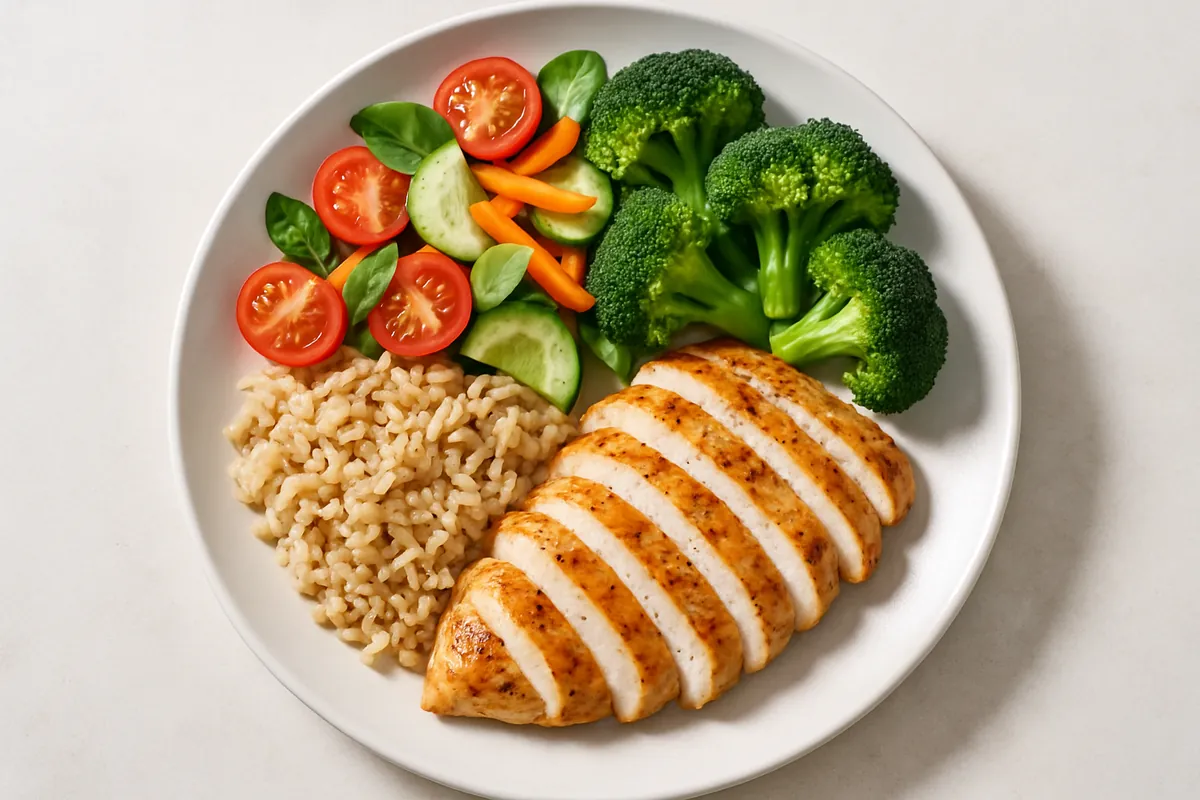
Nutrition is the backbone of maintenance. When appetite returns, the structure you built becomes your safety net. A few priorities tend to matter most:

  • Protein first. Adequate protein supports muscle and helps you feel full, which is especially helpful as appetite-suppressing effects fade.
  • Fiber and whole foods. Vegetables, fruits, legumes, and whole grains add volume and slow digestion naturally.
  • Portion awareness. The smaller portions that felt automatic on medication now need conscious attention.
  • Consistency over perfection. A repeatable pattern you can sustain beats a strict plan you abandon in a month.

Our nutrition counseling, along with structured options like OPTIFAST and OptitrimMD meal replacement, can give you a concrete framework rather than vague advice to “eat better.”

What about exercise and daily habits?

Behavior is where maintenance is won or lost. Regular physical activity — especially resistance training to preserve muscle — supports your metabolism and helps offset the appetite changes that come with stopping medication. Just as important are the everyday behaviors: prioritizing sleep, managing stress, planning meals ahead, and weighing yourself regularly so you spot a small upward trend before it becomes a large one. None of this is glamorous, but it’s what turns a temporary result into a durable one. Many patients find that the months on medication were actually the ideal time to build these habits, while appetite was easier to manage.

How much weight should I realistically expect to keep off?

Here’s where honesty matters more than hype. In clinical trials, semaglutide produced average total body weight loss of roughly 15% (STEP program), while tirzepatide produced average reductions in the range of about 15–21% (SURMOUNT program); a head-to-head trial, SURMOUNT-5, found tirzepatide averaged around 20% versus about 14% for semaglutide. Phentermine and appetite suppressants are typically associated with more modest short-term loss, roughly 3–7%. These figures are averages from studies where participants combined medication with diet, exercise, and medical supervision — and individual results vary. There are no guarantees in weight management. What the data does tell us is that results are real and meaningful, and that the support around the medication is what helps them last.

Why does ongoing monitoring matter so much?

Maintenance isn’t a “set it and forget it” phase. Ongoing check-ins with your physician let you track your weight trend, review your nutrition and activity, adjust your plan if regain starts, and decide whether resuming or adjusting medication makes sense. This is exactly the value of physician-supervised care: you’re not navigating it alone. At ThinFast MD, we’ve supported patients through every stage of this journey since 1984, and the maintenance phase is one we take seriously.

Ready to build your maintenance plan?

If you’re approaching your goal weight or already wondering about life after GLP-1, the best time to plan is now — before the medication changes. Our team at our Hinsdale, Arlington Heights, Brookfield, and Rockford locations can help you map out tapering, nutrition, behavior, and monitoring as one connected strategy. Call us at (708) 485-4050 to schedule a consultation and protect the progress you’ve worked so hard for.

This article is for educational purposes only and is not medical advice. GLP-1 medications carry a boxed warning regarding the risk of thyroid C-cell tumors (including medullary thyroid carcinoma and MEN 2). Ozempic and Mounjaro are FDA-approved for type 2 diabetes; their use for weight loss is off-label. Weight-loss results vary by individual, and no outcome is guaranteed. Always consult your physician before starting, changing, or stopping any medication. In a medical emergency, call 911.

Protecting Muscle on Semaglutide: A Protein Guide

Medically reviewed by Dr. Ehtesham Ghani, Internal Medicine & Bariatric Medicine (ASBP). Last reviewed June 2026.

If you are losing weight on semaglutide and feeling great about the number on the scale, there is one part of your body worth protecting along the way: your muscle. When weight comes off quickly, some of it can come from lean tissue rather than fat. The good news is that with the right amount of protein, regular strength work, and medical supervision, you can shift the odds in your favor. At ThinFast MD, our physician-supervised programs are built around healthy, sustainable weight loss, and that means caring about how you lose, not just how much. This guide explains why muscle matters and how to help protect it. To understand how semaglutide fits into a complete plan, see our guide to GLP-1 semaglutide treatment.

Why does weight loss sometimes cost you muscle?

Any time you lose a meaningful amount of weight, whether through diet, surgery, or medication, some of the loss tends to come from lean body mass, not just fat. This is a normal part of how the body responds to eating less. Research on GLP-1 medications shows that a portion of total weight lost can come from lean tissue, which is why clinicians pay close attention to the quality of weight loss, not only the quantity. Encouragingly, studies also suggest overall body composition can still improve as fat mass declines.

Semaglutide works in part because it reduces appetite, which naturally lowers how much you eat. That is exactly what helps the scale move, but it also means you have to be intentional about getting enough of the right nutrients, especially protein, in a smaller volume of food. Rapid weight loss without that intention can leave muscle vulnerable.

Why is protecting muscle worth the effort?

Muscle is more than appearance. It supports your metabolism, helps keep you strong and mobile, and contributes to long-term physical function as you age. Holding onto lean mass while you lose fat is one of the markers of a high-quality weight loss outcome, the kind of result our team aims for with every patient.

Preserving muscle can also support how you feel day to day, from energy to strength during everyday activities. That is why our physician-supervised approach pairs medication with nutrition counseling and practical lifestyle guidance rather than relying on the medication alone.

How much protein should you aim for?

There is no single number that fits everyone, and your ideal target depends on your body weight, age, activity level, and overall health. As a general principle, people losing weight are often encouraged to prioritize protein at every meal so that lean tissue has the building blocks it needs. The exact amount that is right for you should be set with your provider, who can tailor it to your situation.

A few practical habits tend to help:

  • Make protein the first thing you eat at each meal, before appetite fades.
  • Spread protein across the day rather than loading it all into one meal.
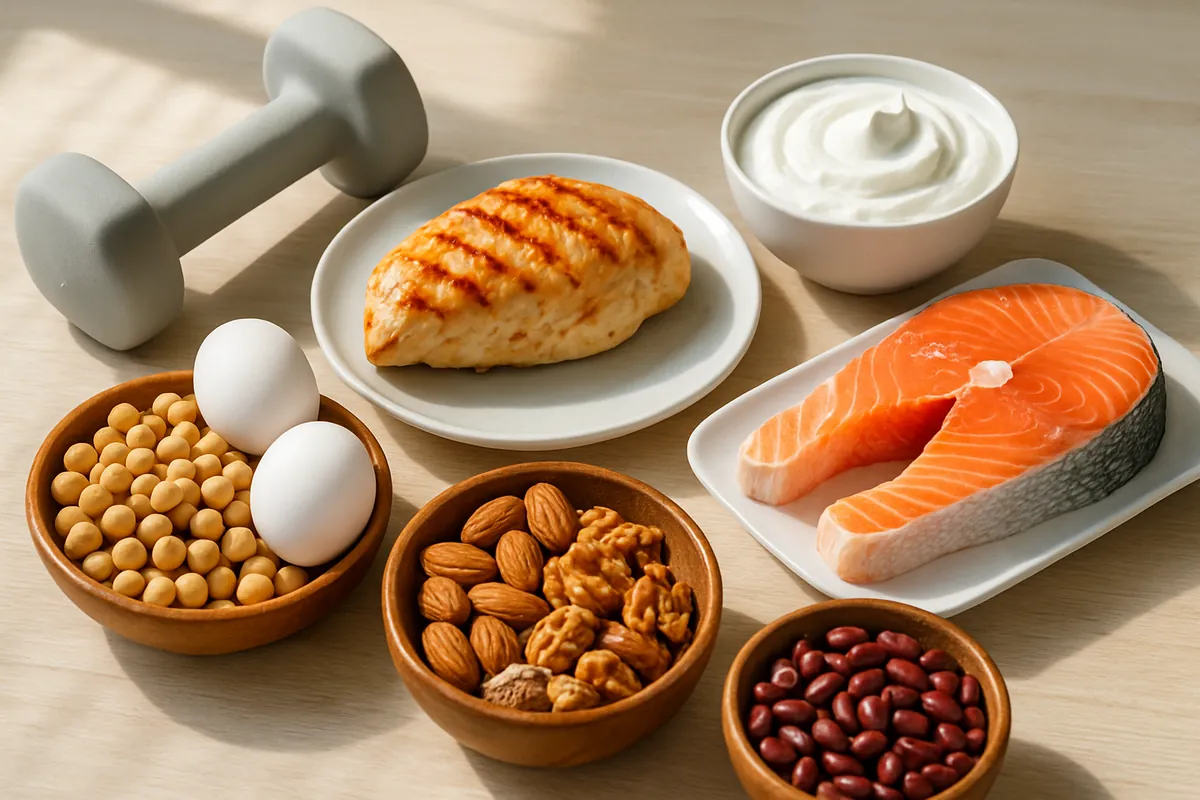
  • Lean on quality sources such as eggs, poultry, fish, Greek yogurt, legumes, and tofu.
  • Consider a protein-forward meal replacement on days when appetite is low. Our OPTIFAST and OptitrimMD options can help here.

This is general guidance, not a meal plan. Your specific targets and food choices are best decided with your ThinFast MD care team during nutrition counseling.

Does exercise really make a difference?

Yes. Protein gives muscle the raw materials, but resistance training is the signal that tells your body to keep that muscle. Research suggests that strength training, more than cardio alone, helps reduce lean mass loss during weight loss. People who combine a GLP-1 medication with regular resistance exercise may be more likely to hold onto muscle than those who rely on the medication by itself.

You do not need an elaborate gym routine to start. Two to three short resistance sessions a week, working the major muscle groups, can go a long way. That might mean bodyweight movements, resistance bands, or weights, whatever fits your fitness level. The key is consistency and gradually challenging your muscles over time. Always check with your provider before beginning a new exercise program, especially if you have other health conditions.

How does medical supervision tie it all together?

Semaglutide is most effective when used with diet, exercise, and medical supervision, not as a standalone fix. That is the model we have followed at ThinFast MD since 1984. Your provider can monitor your progress, adjust your plan, fine-tune your protein and nutrition strategy, and help you build sustainable habits that protect muscle while the fat comes off.

Medical supervision also matters for safety. Like other GLP-1 medications, semaglutide carries a boxed warning based on rodent studies showing thyroid C-cell tumors, and it should not be used by anyone with a personal or family history of medullary thyroid carcinoma (MTC) or Multiple Endocrine Neoplasia syndrome type 2 (MEN 2). Reviewing your full medical history with a physician is part of deciding whether this treatment is appropriate for you.

Individual results vary, and no program can promise a specific outcome. What we can offer is a thoughtful, physician-guided plan designed to help you lose weight in a way that supports your long-term health. To talk through whether semaglutide and a muscle-protecting plan are right for you, call ThinFast MD at (708) 485-4050 to schedule a consultation at our Hinsdale, Arlington Heights, Brookfield, or Rockford location.

This article is for educational purposes only and is not medical advice. Individual results vary. Talk with a qualified healthcare provider before starting any weight-loss medication or exercise program. In a medical emergency, call 911.

Menopause Weight Gain: Why It Happens and What Works

Medically reviewed by Dr. Ehtesham Ghani, Internal Medicine & Bariatric Medicine (ASBP). Last reviewed June 2026.

If the scale started creeping up around your midsection and the routine that used to work suddenly does not, you are not imagining it and you are not doing anything wrong. Weight gain during the menopause transition is real, it is largely driven by biology, and it responds to a different approach than the one that worked in your 30s. At ThinFast MD, we build that approach around your body chemistry, not willpower. This guide explains why it happens and what genuinely helps. For our full clinical overview, see our menopause weight loss resource.

Why does menopause cause weight gain?

The short answer is hormones, and the changes they set in motion. As estrogen declines, several things shift at once. Fat that once settled on the hips and thighs starts collecting around the abdomen and the organs, a pattern called visceral fat. Lean muscle mass naturally declines with age, and because muscle burns more calories at rest than fat does, losing it quietly lowers your daily calorie burn. Appetite-regulating signals can shift too, especially when sleep is disrupted, leaving you hungrier and less satisfied. None of this is a character flaw. It is a coordinated set of metabolic changes, and understanding it is the first step to working with your body instead of against it.

Is it really hormones, or am I just eating more?

For most women, it is genuinely the hormonal and metabolic shift, not a sudden lack of discipline. Research on the menopause transition consistently shows changes in how the body stores and burns fat that are independent of how much someone eats. Resting metabolism tends to ease downward, fat distribution moves toward the middle, and the body becomes more inclined to hold on to weight. That is also why the old advice to simply eat less and move more often falls short here. It is not wrong, it is just incomplete, because it ignores the muscle loss and metabolic changes happening underneath.

Why does the same diet and exercise stop working after 50?

Two reasons. First, if a program causes you to lose weight too quickly or without enough protein and resistance training, a meaningful share of that loss can come from muscle, which lowers your metabolism further and makes regain easier. Second, plans that worked when your hormones were different may not match your body now. The goal after 50 is not just to lose weight, it is to lose fat while protecting muscle. That is the difference between a number on the scale that drops and then rebounds, and a result you can actually keep.

What actually works for menopause weight gain?

A muscle-preserving, medically supervised plan is what works most reliably for women navigating this stage. The foundation is protein-forward, nutrient-dense eating combined with resistance training to defend lean mass, supported by a clinical team that adjusts as your body responds. From there, several supervised tools may be appropriate depending on your health history and goals:

  • GLP-1 medications (semaglutide and tirzepatide). Used with diet, exercise, and medical supervision, these can support appetite control and meaningful fat loss. In clinical trials conducted in the general population with overweight or obesity (not specifically in menopausal women), semaglutide produced roughly 15% average body weight reduction (STEP), and tirzepatide produced roughly 15 to 21% (SURMOUNT), with the SURMOUNT-5 head-to-head showing about 20% versus about 14%. Individual results vary. These medicines carry a boxed warning for thyroid C-cell tumors and should not be used by people with a personal or family history of medullary thyroid carcinoma (MTC) or multiple endocrine neoplasia syndrome type 2 (MEN2). Note that Ozempic and Mounjaro are approved for type 2 diabetes; their use for weight loss is off-label.
  • Phentermine and appetite suppressants. A short-term option associated with roughly 3 to 7% weight loss in studies, used with diet, exercise, and supervision. Individual results vary.
  • Structured meal replacement (OPTIFAST / OptitrimMD). Helps standardize nutrition and protein intake while you rebuild eating habits.
  • Lipotropic / B12 support and nutrition counseling. Complementary tools tailored to your needs.

The right combination is individualized. That is the whole point of supervised care: your plan is matched to your hormones, health history, medications, and goals, then refined over time.

How is treatment different for women over 50?

It is built around protecting muscle while losing fat, and around your specific health picture. For women over 50, that means adequate protein, resistance training, a sensible rate of loss, and medical oversight of any medications alongside the conditions and prescriptions common at this stage. Our medical director, Dr. Ehtesham Ghani, and the ThinFast MD team have supported patients through this transition since 1984 across our four Illinois locations in Hinsdale, Arlington Heights, Brookfield, and Rockford. There are no guarantees, and weight loss is always framed as part of a broader plan of diet, exercise, and medical supervision, but the right plan can make a real, durable difference.

What is the next step?

If menopause weight gain has you frustrated, a consultation is the place to start. We will review your history, talk through which supervised options fit you, and build a plan designed for your body now, not the one you had two decades ago. Call ThinFast MD at (708) 485-4050 to schedule. Specifics, including any costs, are reviewed together at your consultation.

This article is for educational purposes only and is not a substitute for individualized medical advice. Weight-loss results vary from person to person. Talk with a qualified clinician before starting any treatment. In a medical emergency, call 911.

PCOS and Insulin Resistance: How Weight Loss Helps

Medically reviewed by Dr. Ehtesham Ghani, Internal Medicine & Bariatric Medicine (ASBP). Last reviewed June 2026.

If you live with polycystic ovary syndrome (PCOS), you have probably heard that losing weight could help. It is true, but the reason is more interesting than a number on the scale. For most women with PCOS, the real driver is insulin resistance, and addressing it can ripple out to your cycles, your energy, and your long-term health. At ThinFast MD, we have helped patients across Illinois work through this since 1984, always with a physician guiding the plan. Here is what the science actually says.

For a fuller overview of treatment options, see our pillar guide on PCOS and medical weight loss.

What does insulin resistance have to do with PCOS?

Insulin is the hormone that helps your body move sugar from the bloodstream into cells for energy. In insulin resistance, cells respond poorly, so the body produces more and more insulin to compensate. A large share of women with PCOS have some degree of insulin resistance, regardless of body size.

Those high insulin levels are not harmless background noise. Excess insulin can prompt the ovaries to make more androgens (male-pattern hormones), which contributes to irregular periods, acne, and unwanted hair growth. It can also make weight harder to lose, creating a frustrating loop. Understanding this connection is the first step, because it explains why treatment focuses on the metabolic picture, not just calories.

How much weight loss actually makes a difference?

This is the most encouraging part. You do not need a dramatic transformation to see meaningful change. Research and clinical guidelines consistently point to modest weight loss in the range of 5 to 10 percent of body weight as a threshold that can improve insulin sensitivity and help restore more regular menstrual cycles in many women with PCOS.

To put that in perspective, a person weighing 200 pounds is looking at roughly 10 to 20 pounds. That is a realistic, sustainable goal, and it is one reason we emphasize steady progress over extremes. Individual results vary, and weight loss is one piece of a broader plan that includes diet, exercise, and medical supervision. But the takeaway is real: small, consistent change can shift the underlying metabolism that PCOS depends on.

Which medications are used for PCOS and insulin resistance?

Lifestyle change is the foundation, but several medications can support it under a physician’s care. Metformin is a long-standing option that improves how the body uses insulin and is frequently prescribed in PCOS management. It is not a weight-loss drug by itself, but by addressing insulin resistance it can be a useful part of the strategy.

Incretin-based medications such as semaglutide (Wegovy, Ozempic), a GLP-1 receptor agonist, and tirzepatide (Zepbound, Mounjaro), a dual GIP/GLP-1 agonist, have also become important tools. In their weight-loss trials, semaglutide produced average reductions around 15 percent of body weight (STEP program), while tirzepatide showed roughly 15 to 21 percent across the SURMOUNT studies, with the head-to-head SURMOUNT-5 trial reporting about 20 percent versus about 14 percent for semaglutide. These medicines work best with diet, exercise, and medical supervision, and individual results vary.

A few important notes: Ozempic and Mounjaro are approved to treat type 2 diabetes, and their use for weight loss is considered off-label. These medications also carry a boxed warning regarding a risk of thyroid C-cell tumors (medullary thyroid carcinoma and MEN2), which is why a physician reviews your full history before prescribing. For some patients, phentermine and other appetite suppressants are options too, with short-term studies showing roughly 3 to 7 percent weight reduction. We never quote a price online because the right plan, and its cost, is determined at your consultation.

Will losing weight cure my PCOS?

It is important to be honest here: weight loss is not a cure for PCOS. PCOS is a chronic condition, and there is no single treatment that makes it disappear. What weight loss and improved insulin sensitivity can do is help manage symptoms, support more regular cycles, and lower some longer-term metabolic risks. Many women find that their symptoms become more manageable, but ongoing care remains part of the picture.

That framing matters because it sets realistic expectations. The goal is not perfection or a permanent fix. The goal is meaningful, sustainable improvement that you can maintain with the right support.

What does a supervised PCOS plan look like at ThinFast MD?

Because PCOS sits at the intersection of hormones, metabolism, and weight, it benefits from a physician-led approach rather than a one-size-fits-all program. At our four Illinois locations in Hinsdale, Arlington Heights, Brookfield, and Rockford, a typical plan starts with a thorough evaluation of your history and goals. From there, your physician may combine nutrition counseling, an activity plan, and, where appropriate, medication such as metformin or a GLP-1, all monitored over time.

We also offer structured tools like OPTIFAST and OptitrimMD meal replacement and lipotropic/B12 support that can fit into a broader strategy. The point of supervision is simple: your plan adapts to how your body responds, and a medical team is there to adjust safely.

If you are ready to take a focused, physician-supervised step toward managing PCOS and insulin resistance, our team is here to help. Call ThinFast MD at (708) 485-4050 to schedule a consultation and talk through what a personalized plan could look like for you.

This article is for educational purposes only and is not medical advice. Weight-loss results vary from person to person and depend on individual factors. Always consult a qualified healthcare provider before starting any treatment. In an emergency, call 911.

What to Eat on Semaglutide and GLP-1 Medications

Medically reviewed by Dr. Ehtesham Ghani, Internal Medicine & Bariatric Medicine (ASBP). Last reviewed June 2026.

If you have started semaglitude—if you have started semaglutide (Wegovy, Ozempic) or another GLP-1 medication, you have probably noticed your appetite is smaller and you fill up faster than before. That is the medication doing its job. But it also raises a practical question: when you are eating less, how do you make every bite count? The answer comes down to a few simple, repeatable habits. This is general guidance to help you eat well alongside your treatment, not a strict prescription. For the full picture of how these medications work, see our pillar guide to GLP-1 and semaglutide treatment.

Why does what you eat matter more on a GLP-1?

GLP-1 medications work by slowing how quickly your stomach empties and by quieting appetite signals, so you feel satisfied on far less food. The upside is meaningful weight loss when paired with diet, exercise, and medical supervision. In clinical trials, semaglutide produced average total body-weight reductions of about 15% in the STEP program, and tirzepatide showed roughly 15% to 21% across the SURMOUNT studies. Individual results vary. It is worth noting that not every brand is approved for weight loss: Wegovy (semaglutide) and Zepbound (tirzepatide) are FDA-approved for chronic weight management, while Ozempic and Mounjaro are approved for type 2 diabetes and are used for weight loss off-label. The catch is that when total food volume drops, it becomes easy to under-eat the nutrients your body needs most, especially protein. Eating intentionally is how you protect your energy, your muscle, and your results.

How much protein should you aim for?

Protein is the single most important priority. When you lose weight, some of that loss can come from lean muscle rather than fat, and protein is what helps preserve muscle as the scale moves. A common, sensible target is roughly 20 to 30 grams of protein at each meal, though your provider may tailor this to you. Reaching for protein first, before you fill up on everything else, ensures you actually get it in before your appetite taps out.

Good options include:

  • Eggs, Greek yogurt, and cottage cheese
  • Chicken, turkey, fish, and lean cuts of beef or pork
  • Beans, lentils, tofu, and edamame
  • A protein shake or smoothie when solid food feels like too much

If your provider has recommended a structured plan like OPTIFAST or OptitrimMD meal replacement, those products are built to deliver consistent protein when your appetite is low, which can take the guesswork out of hitting your target.

What role does fiber play?

Fiber is your second priority, and it does double duty. It helps steady blood sugar, keeps you feeling full, and supports digestion. That last point matters because constipation is a common complaint on GLP-1 medications, and fiber-rich foods are one of the most effective ways to keep things moving. Build your plate around non-starchy vegetables, whole fruits, leafy greens, whole grains, and legumes. Aim to make vegetables and fruit a visible part of most meals rather than an afterthought.

How much should you be drinking?

Hydration is easy to overlook and surprisingly important. GLP-1 medications can dull your natural thirst cues, and because you are eating less food, you are also getting less of the water that normally comes from meals. Side effects like nausea can add to the risk of dehydration. Make a habit of sipping water throughout the day and with every meal. If plain water gets boring, unsweetened sparkling water, herbal tea, or water with a squeeze of citrus all count. Staying well hydrated also helps reduce headaches and fatigue that some people mistake for the medication itself.

How do you eat when you feel nauseous?

Nausea is one of the more common early side effects, and a few adjustments usually help. Instead of three large meals, try four to six smaller ones spread across the day. Eat slowly and stop when you feel comfortably satisfied rather than full, since overeating on a GLP-1 is a fast track to discomfort. Bland, lower-fat foods tend to sit better than rich, greasy, or heavily fried meals.

When solid food feels unappealing, especially in the morning, a protein smoothie can be far easier to get down, and you can sip it gradually. If nausea is persistent, severe, or paired with vomiting that keeps you from staying hydrated, let your care team know so we can adjust your plan.

What should you limit, and what safety signs matter?

You do not need a long list of forbidden foods, but a few categories tend to cause trouble. Large, high-fat, and fried meals are the most common offenders for nausea and sluggishness. Sugary drinks and refined carbohydrates can spike and crash your energy without offering much nutrition, and on a limited appetite that is space better spent on protein and fiber. Many people also find that alcohol hits harder and sits less comfortably while on these medications, so moderation is wise.

Beyond diet, it is important to know that GLP-1 medications carry an FDA boxed warning for a risk of thyroid C-cell tumors, including medullary thyroid carcinoma (MTC), based on animal studies. They are not recommended for people with a personal or family history of MTC or with multiple endocrine neoplasia syndrome type 2 (MEN 2). These medications should only be used under medical supervision. Seek prompt medical care for symptoms such as a neck lump, trouble swallowing, severe or persistent abdominal pain (a possible sign of pancreatitis), or signs of an allergic reaction.

Putting it together

The eating pattern that works best on a GLP-1 is refreshingly simple: protein first, fiber second, hydration always, and smaller meals to keep symptoms in check. These habits help you preserve muscle, feel steadier through the day, and get the most from your treatment, which is always meant to work alongside diet, exercise, and medical supervision. Your nutrition needs are personal, and your plan should reflect them. At ThinFast MD, our team builds individualized nutrition counseling and medication plans around your goals. To get started or ask a question, call us at (708) 485-4050.

This article is for educational purposes only and is not medical advice. Weight-loss results vary from person to person. Always consult a qualified healthcare provider before starting, stopping, or changing any medication or nutrition plan. If you are experiencing a medical emergency, call 911.

📞 Call Now Book a Visit