Protecting Muscle on Semaglutide: A Protein Guide

Medically reviewed by Dr. Ehtesham Ghani, Internal Medicine & Bariatric Medicine (ASBP). Last reviewed June 2026.

If you are losing weight on semaglutide and feeling great about the number on the scale, there is one part of your body worth protecting along the way: your muscle. When weight comes off quickly, some of it can come from lean tissue rather than fat. The good news is that with the right amount of protein, regular strength work, and medical supervision, you can shift the odds in your favor. At ThinFast MD, our physician-supervised programs are built around healthy, sustainable weight loss, and that means caring about how you lose, not just how much. This guide explains why muscle matters and how to help protect it. To understand how semaglutide fits into a complete plan, see our guide to GLP-1 semaglutide treatment.

Why does weight loss sometimes cost you muscle?

Any time you lose a meaningful amount of weight, whether through diet, surgery, or medication, some of the loss tends to come from lean body mass, not just fat. This is a normal part of how the body responds to eating less. Research on GLP-1 medications shows that a portion of total weight lost can come from lean tissue, which is why clinicians pay close attention to the quality of weight loss, not only the quantity. Encouragingly, studies also suggest overall body composition can still improve as fat mass declines.

Semaglutide works in part because it reduces appetite, which naturally lowers how much you eat. That is exactly what helps the scale move, but it also means you have to be intentional about getting enough of the right nutrients, especially protein, in a smaller volume of food. Rapid weight loss without that intention can leave muscle vulnerable.

Why is protecting muscle worth the effort?

Muscle is more than appearance. It supports your metabolism, helps keep you strong and mobile, and contributes to long-term physical function as you age. Holding onto lean mass while you lose fat is one of the markers of a high-quality weight loss outcome, the kind of result our team aims for with every patient.

Preserving muscle can also support how you feel day to day, from energy to strength during everyday activities. That is why our physician-supervised approach pairs medication with nutrition counseling and practical lifestyle guidance rather than relying on the medication alone.

How much protein should you aim for?

There is no single number that fits everyone, and your ideal target depends on your body weight, age, activity level, and overall health. As a general principle, people losing weight are often encouraged to prioritize protein at every meal so that lean tissue has the building blocks it needs. The exact amount that is right for you should be set with your provider, who can tailor it to your situation.

A few practical habits tend to help:

  • Make protein the first thing you eat at each meal, before appetite fades.
  • Spread protein across the day rather than loading it all into one meal.
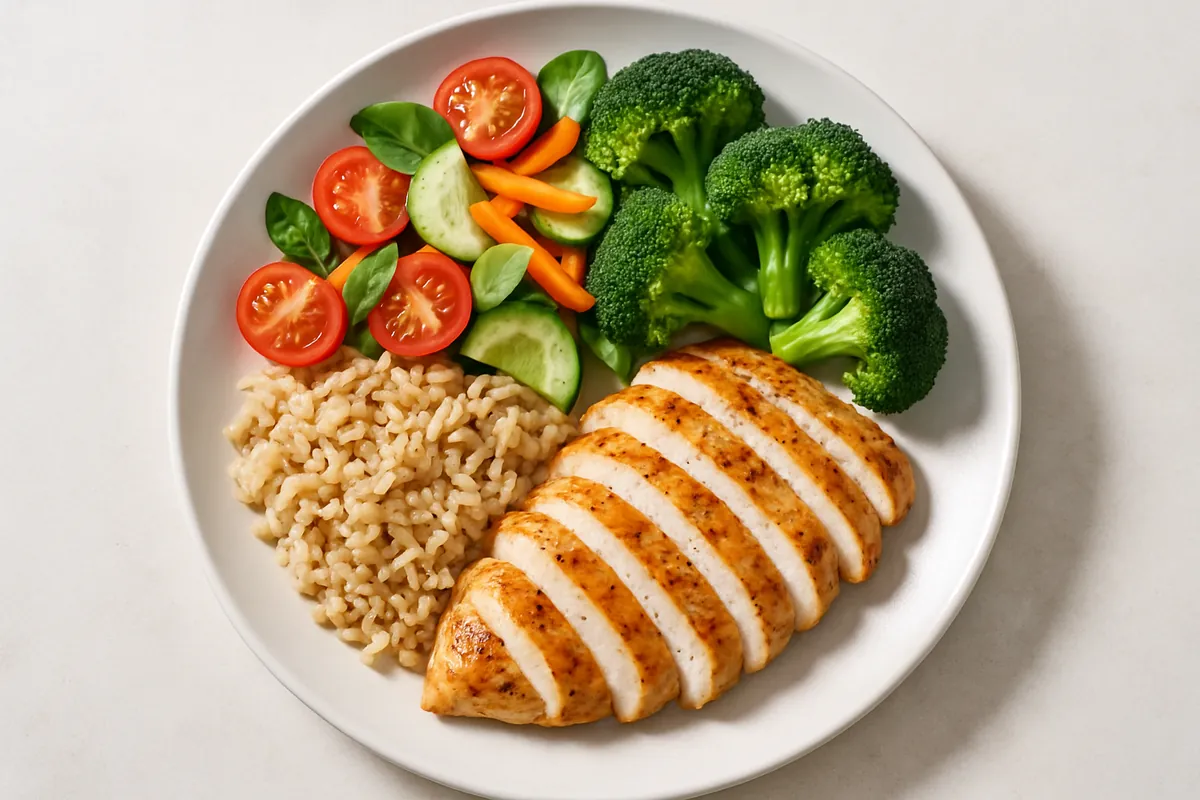
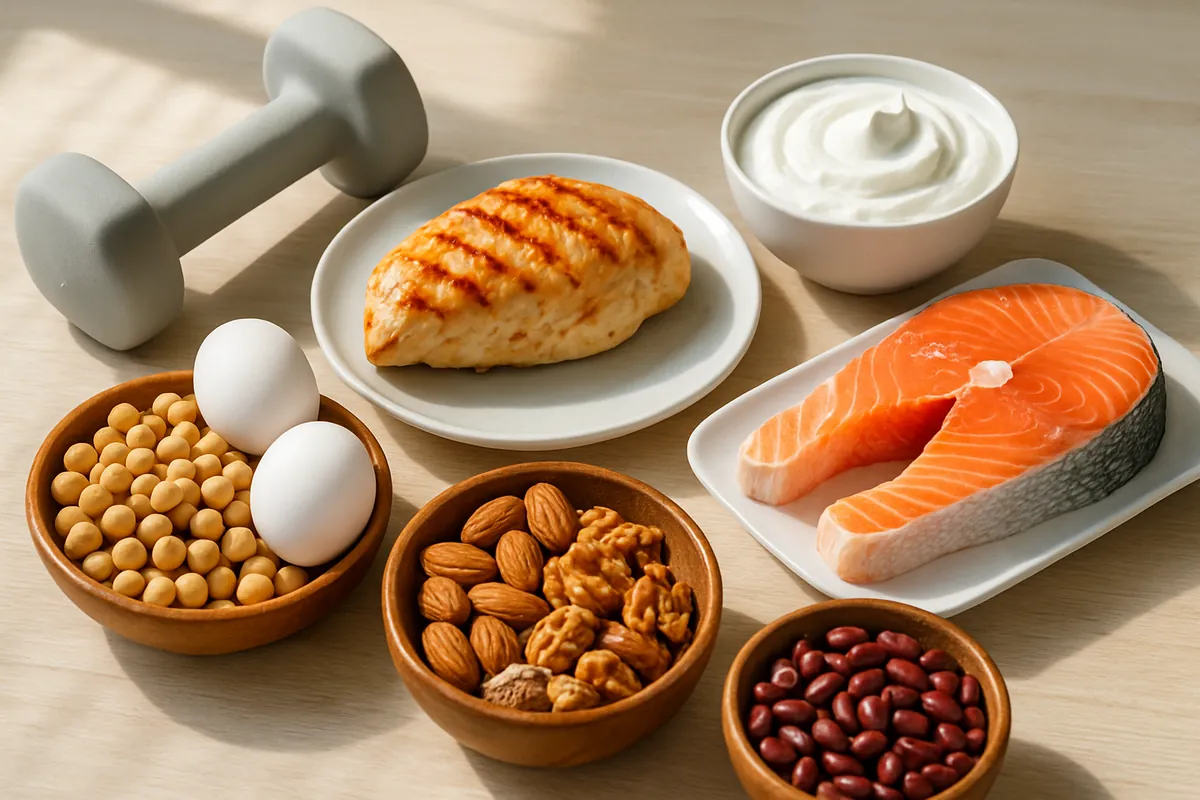
  • Lean on quality sources such as eggs, poultry, fish, Greek yogurt, legumes, and tofu.
  • Consider a protein-forward meal replacement on days when appetite is low. Our OPTIFAST and OptitrimMD options can help here.

This is general guidance, not a meal plan. Your specific targets and food choices are best decided with your ThinFast MD care team during nutrition counseling.

Does exercise really make a difference?

Yes. Protein gives muscle the raw materials, but resistance training is the signal that tells your body to keep that muscle. Research suggests that strength training, more than cardio alone, helps reduce lean mass loss during weight loss. People who combine a GLP-1 medication with regular resistance exercise may be more likely to hold onto muscle than those who rely on the medication by itself.

You do not need an elaborate gym routine to start. Two to three short resistance sessions a week, working the major muscle groups, can go a long way. That might mean bodyweight movements, resistance bands, or weights, whatever fits your fitness level. The key is consistency and gradually challenging your muscles over time. Always check with your provider before beginning a new exercise program, especially if you have other health conditions.

How does medical supervision tie it all together?

Semaglutide is most effective when used with diet, exercise, and medical supervision, not as a standalone fix. That is the model we have followed at ThinFast MD since 1984. Your provider can monitor your progress, adjust your plan, fine-tune your protein and nutrition strategy, and help you build sustainable habits that protect muscle while the fat comes off.

Medical supervision also matters for safety. Like other GLP-1 medications, semaglutide carries a boxed warning based on rodent studies showing thyroid C-cell tumors, and it should not be used by anyone with a personal or family history of medullary thyroid carcinoma (MTC) or Multiple Endocrine Neoplasia syndrome type 2 (MEN 2). Reviewing your full medical history with a physician is part of deciding whether this treatment is appropriate for you.

Individual results vary, and no program can promise a specific outcome. What we can offer is a thoughtful, physician-guided plan designed to help you lose weight in a way that supports your long-term health. To talk through whether semaglutide and a muscle-protecting plan are right for you, call ThinFast MD at (708) 485-4050 to schedule a consultation at our Hinsdale, Arlington Heights, Brookfield, or Rockford location.

This article is for educational purposes only and is not medical advice. Individual results vary. Talk with a qualified healthcare provider before starting any weight-loss medication or exercise program. In a medical emergency, call 911.

How to Manage GLP-1 Nausea and Side Effects

Medically reviewed by Dr. Ehtesham Ghani, Internal Medicine & Bariatric Medicine (ASBP). Last reviewed June 2026.

If you have just started a GLP-1 medication like semaglutide (Wegovy, Ozempic) or tirzepatide (Zepbound, Mounjaro), you may be wondering whether the queasy stomach is normal and what you can do about it. The short answer is that the most common side effects are usually mild, temporary, and manageable, especially when you and your physician work through them together. At ThinFast MD, we have guided patients through this adjustment period since 1984, and a few simple habits make a real difference. For the bigger picture, see our pillar guide on GLP-1 side effect management.

Why do GLP-1 medications cause nausea in the first place?

GLP-1 medications work in part by slowing how quickly your stomach empties and by changing appetite signals in the brain. That is exactly what helps you feel full and eat less, but it can also leave you feeling queasy, especially in the early weeks or right after a dose increase. Nausea is the most frequently reported side effect, and other gastrointestinal (GI) effects such as constipation, diarrhea, indigestion, or burping can show up too. The good news: for most people these are temporary and tend to ease as the body adapts over the first several weeks. These medications are intended to work alongside diet, exercise, and medical supervision, not on their own.

How long do GLP-1 side effects usually last?

Most GI side effects are concentrated in the first few weeks of treatment and around each step up in dose. Many patients notice the strongest symptoms early on, then steady improvement as their system adjusts. Everyone is different, so individual results vary, and some people are more sensitive than others. The key is to stay in touch with your care team rather than pushing through symptoms alone. If side effects are interfering with your daily life, that is a signal to call us so we can adjust the plan.

What is the most effective way to reduce GLP-1 nausea?

Slow, steady dose titration is the single most important tool. We follow a “start low, go slow” approach, increasing your dose gradually so your body has time to adapt at each step. This is one reason self-adjusting your dose or rushing the schedule is never a good idea. Beyond titration, these everyday habits help most patients:

  • Eat smaller, more frequent meals. Large portions can overwhelm a stomach that is already emptying slowly.
  • Stay hydrated, between meals rather than during them. Sipping water through the day supports digestion and helps with constipation.
  • Go easy on greasy, fried, and very rich foods. High-fat meals take longer to digest and can worsen queasiness.
  • Stop eating when you feel full. GLP-1 medications make fullness arrive sooner, so listen to that signal.
  • Favor bland, simple foods on rough days. Think toast, rice, broth, or crackers until things settle.

These small adjustments, paired with the right titration pace, help ease nausea for many patients. If they are not enough for you, your physician can review your plan and discuss additional options.

What about constipation, fatigue, and other common effects?

Constipation is common and usually responds well to more fluids, more fiber, and regular movement; your physician can recommend a gentle stool softener if needed. Diarrhea tends to ease with bland foods and hydration. Some patients report fatigue early on, which often improves as appetite, meals, and hydration stabilize. Because GLP-1 medications reduce how much you eat, getting enough protein and staying well hydrated becomes especially important, both for how you feel day to day and for protecting muscle as you lose weight. Our nutrition counseling team can build a simple eating plan around your medication.

When are GLP-1 side effects serious enough to call a doctor?

While most side effects are mild, rarer but more serious risks do exist and deserve attention. These include pancreatitis (inflammation of the pancreas) and gallbladder problems. Call your physician promptly if you have severe or persistent abdominal pain, especially pain that radiates to your back, or pain that comes with vomiting; severe or lasting vomiting or diarrhea that may cause dehydration; or signs of gallbladder trouble such as upper-right abdominal pain, fever, or yellowing of the skin or eyes. This class of medication also carries a boxed warning regarding a risk of thyroid C-cell tumors (medullary thyroid carcinoma); GLP-1 medications are not recommended for people with a personal or family history of medullary thyroid cancer or Multiple Endocrine Neoplasia syndrome type 2 (MEN2), and you should tell your physician if you ever notice a lump or swelling in your neck. This is exactly why physician monitoring matters and why these medications should always be used under medical supervision. For any medical emergency, call 911.

How does ThinFast MD help you manage side effects?

Physician supervision is the difference between guessing and a guided plan. At ThinFast MD, Dr. Ehtesham Ghani and our team personalize your titration schedule, monitor how you are responding, and adjust your dose or approach when side effects get in the way. We offer compounded and brand semaglutide and tirzepatide alongside nutrition counseling and other supportive options, all coordinated around your goals and your comfort. Keep in mind that Ozempic and Mounjaro are FDA-approved to treat type 2 diabetes and their use for weight loss is off-label, while Wegovy and Zepbound are FDA-approved for chronic weight management; your physician will discuss what fits your situation. With four Illinois locations in Hinsdale, Arlington Heights, Brookfield, and Rockford, help is close by. If side effects are wearing you down, do not tough it out alone, call us at (708) 485-4050 to talk through your options.

This article is for educational purposes only and is not medical advice. It is not a substitute for diagnosis or treatment by a qualified healthcare provider. Individual results vary, and no specific outcome is guaranteed. Always talk with your physician before starting, stopping, or changing any medication. In a medical emergency, call 911.

Do You Regain Weight After Stopping GLP-1 Medication?

Medically reviewed by Dr. Ehtesham Ghani, Internal Medicine & Bariatric Medicine (ASBP). Last reviewed June 2026.

It is one of the most common questions we hear at ThinFast MD: “If these medications work so well, what happens when I stop taking them?” It is a smart question to ask, and the honest answer is that for many people, some weight does come back without a deliberate plan. The good news is that this is not inevitable, and understanding why it happens is the first step to protecting the progress you have worked so hard for. Building a long-term weight-loss maintenance strategy is what separates a temporary result from a lasting one.

Why does weight come back after stopping a GLP-1?

GLP-1 and dual GLP-1/GIP medications such as semaglutide (Wegovy, Ozempic) and tirzepatide (Zepbound, Mounjaro) work in large part by quieting appetite and slowing how quickly your stomach empties, so you feel full sooner and longer. Used with diet, exercise, and medical supervision, they help reduce the constant “food noise” that drives overeating. When the medication is stopped, those biological signals gradually return to where they were before. Appetite often increases again, and the body’s tendency to defend a higher weight set point can reassert itself. In other words, the medication was managing an underlying condition rather than curing it, much like blood pressure or cholesterol medication. Keep in mind that Ozempic and Mounjaro are FDA-approved to treat type 2 diabetes, and their use for weight loss is off-label.

What do the clinical trials actually show?

Research gives us a clear, sobering picture. In a semaglutide withdrawal extension of the STEP program, participants who stopped the medication regained a substantial portion of the weight they had lost over the following year, while those who continued tended to maintain or keep losing. A similar pattern appeared in SURMOUNT-4, a tirzepatide trial: people who switched to placebo regained much of their lost weight, whereas those who stayed on treatment generally held onto their results.

For context, these medications produce meaningful loss while being taken. Semaglutide showed average reductions of roughly 15% of body weight in STEP trials, and tirzepatide produced averages in the range of about 15% to 21% across SURMOUNT studies, with the head-to-head SURMOUNT-5 trial showing roughly 20% with tirzepatide versus about 14% with semaglutide. Older appetite suppressants like phentermine offer more modest short-term results, often in the range of about 3% to 7%. The key takeaway from the withdrawal data is not that the medications fail, but that stopping abruptly without a maintenance plan tends to undo a meaningful share of the progress. Individual results vary, and these numbers are averages from controlled studies, not promises.

Does everyone regain the weight?

No. The trial averages describe groups, not individuals, and your own outcome depends heavily on what you do during and after treatment. People who use their time on medication to build durable habits, including consistent protein intake, strength training, sleep, and stress management, are often better positioned to hold their results. The medication can be thought of as a window of opportunity: while appetite is easier to manage, it becomes far more realistic to establish the routines that support a lower weight long term. How much you regain, if any, is influenced by genetics, your starting point, how the medication is tapered, and the support system around you.

How can you keep the weight off long term?

Maintenance is an active strategy, not a finish line. At ThinFast MD, our physician-supervised approach focuses on several proven levers:

  • A structured maintenance plan rather than an abrupt stop, so your body is not left to readjust without support.
  • Possible dose adjustment or a lower maintenance dose for some patients, decided individually with your provider.
  • Nutrition counseling to lock in eating patterns that hold results without the medication doing all the work.
  • Strength and resistance training to preserve lean muscle, which supports metabolism.
  • Regular follow-up so changes are caught early and addressed before they compound.

The decision of whether to continue, taper, or transition off a GLP-1 is a medical one that should be made together with a physician who knows your history. As with any GLP-1 medication, your provider will review relevant safety information, including the boxed warning regarding the risk of thyroid C-cell tumors (MTC) and use in those with a personal or family history of medullary thyroid carcinoma or MEN 2.

What should you do if you are thinking about stopping?

The most important thing is to not stop on your own without a plan. Whether you are pausing because of cost, side effects, supply, or because you have reached your goal, our team can help you map out a transition that protects your results. We tailor maintenance strategies to each patient across our four Illinois locations in Hinsdale, Arlington Heights, Brookfield, and Rockford. If you have questions about what comes after your GLP-1 medication, call ThinFast MD at (708) 485-4050 to schedule a consultation and build a plan designed around your goals.

This article is for educational purposes only and is not medical advice. It is not a substitute for diagnosis or treatment from your physician. Weight-loss results vary from person to person. Always consult a qualified healthcare provider before starting or stopping any medication. In a medical emergency, call 911.

What to Eat on Semaglutide and GLP-1 Medications

Medically reviewed by Dr. Ehtesham Ghani, Internal Medicine & Bariatric Medicine (ASBP). Last reviewed June 2026.

If you have started semaglitude—if you have started semaglutide (Wegovy, Ozempic) or another GLP-1 medication, you have probably noticed your appetite is smaller and you fill up faster than before. That is the medication doing its job. But it also raises a practical question: when you are eating less, how do you make every bite count? The answer comes down to a few simple, repeatable habits. This is general guidance to help you eat well alongside your treatment, not a strict prescription. For the full picture of how these medications work, see our pillar guide to GLP-1 and semaglutide treatment.

Why does what you eat matter more on a GLP-1?

GLP-1 medications work by slowing how quickly your stomach empties and by quieting appetite signals, so you feel satisfied on far less food. The upside is meaningful weight loss when paired with diet, exercise, and medical supervision. In clinical trials, semaglutide produced average total body-weight reductions of about 15% in the STEP program, and tirzepatide showed roughly 15% to 21% across the SURMOUNT studies. Individual results vary. It is worth noting that not every brand is approved for weight loss: Wegovy (semaglutide) and Zepbound (tirzepatide) are FDA-approved for chronic weight management, while Ozempic and Mounjaro are approved for type 2 diabetes and are used for weight loss off-label. The catch is that when total food volume drops, it becomes easy to under-eat the nutrients your body needs most, especially protein. Eating intentionally is how you protect your energy, your muscle, and your results.

How much protein should you aim for?

Protein is the single most important priority. When you lose weight, some of that loss can come from lean muscle rather than fat, and protein is what helps preserve muscle as the scale moves. A common, sensible target is roughly 20 to 30 grams of protein at each meal, though your provider may tailor this to you. Reaching for protein first, before you fill up on everything else, ensures you actually get it in before your appetite taps out.

Good options include:

  • Eggs, Greek yogurt, and cottage cheese
  • Chicken, turkey, fish, and lean cuts of beef or pork
  • Beans, lentils, tofu, and edamame
  • A protein shake or smoothie when solid food feels like too much

If your provider has recommended a structured plan like OPTIFAST or OptitrimMD meal replacement, those products are built to deliver consistent protein when your appetite is low, which can take the guesswork out of hitting your target.

What role does fiber play?

Fiber is your second priority, and it does double duty. It helps steady blood sugar, keeps you feeling full, and supports digestion. That last point matters because constipation is a common complaint on GLP-1 medications, and fiber-rich foods are one of the most effective ways to keep things moving. Build your plate around non-starchy vegetables, whole fruits, leafy greens, whole grains, and legumes. Aim to make vegetables and fruit a visible part of most meals rather than an afterthought.

How much should you be drinking?

Hydration is easy to overlook and surprisingly important. GLP-1 medications can dull your natural thirst cues, and because you are eating less food, you are also getting less of the water that normally comes from meals. Side effects like nausea can add to the risk of dehydration. Make a habit of sipping water throughout the day and with every meal. If plain water gets boring, unsweetened sparkling water, herbal tea, or water with a squeeze of citrus all count. Staying well hydrated also helps reduce headaches and fatigue that some people mistake for the medication itself.

How do you eat when you feel nauseous?

Nausea is one of the more common early side effects, and a few adjustments usually help. Instead of three large meals, try four to six smaller ones spread across the day. Eat slowly and stop when you feel comfortably satisfied rather than full, since overeating on a GLP-1 is a fast track to discomfort. Bland, lower-fat foods tend to sit better than rich, greasy, or heavily fried meals.

When solid food feels unappealing, especially in the morning, a protein smoothie can be far easier to get down, and you can sip it gradually. If nausea is persistent, severe, or paired with vomiting that keeps you from staying hydrated, let your care team know so we can adjust your plan.

What should you limit, and what safety signs matter?

You do not need a long list of forbidden foods, but a few categories tend to cause trouble. Large, high-fat, and fried meals are the most common offenders for nausea and sluggishness. Sugary drinks and refined carbohydrates can spike and crash your energy without offering much nutrition, and on a limited appetite that is space better spent on protein and fiber. Many people also find that alcohol hits harder and sits less comfortably while on these medications, so moderation is wise.

Beyond diet, it is important to know that GLP-1 medications carry an FDA boxed warning for a risk of thyroid C-cell tumors, including medullary thyroid carcinoma (MTC), based on animal studies. They are not recommended for people with a personal or family history of MTC or with multiple endocrine neoplasia syndrome type 2 (MEN 2). These medications should only be used under medical supervision. Seek prompt medical care for symptoms such as a neck lump, trouble swallowing, severe or persistent abdominal pain (a possible sign of pancreatitis), or signs of an allergic reaction.

Putting it together

The eating pattern that works best on a GLP-1 is refreshingly simple: protein first, fiber second, hydration always, and smaller meals to keep symptoms in check. These habits help you preserve muscle, feel steadier through the day, and get the most from your treatment, which is always meant to work alongside diet, exercise, and medical supervision. Your nutrition needs are personal, and your plan should reflect them. At ThinFast MD, our team builds individualized nutrition counseling and medication plans around your goals. To get started or ask a question, call us at (708) 485-4050.

This article is for educational purposes only and is not medical advice. Weight-loss results vary from person to person. Always consult a qualified healthcare provider before starting, stopping, or changing any medication or nutrition plan. If you are experiencing a medical emergency, call 911.

Is Compounded Semaglutide Safe and Legal in 2026?

Medically reviewed by Dr. Ehtesham Ghani, Internal Medicine & Bariatric Medicine (ASBP). Last reviewed June 2026.

If you started a weight-loss journey on compounded semaglutide a year or two ago, you have probably noticed the rules shifting under your feet. Headlines about FDA warning letters, pharmacies pulling products, and telehealth companies exiting the market have left a lot of patients confused and worried. So let’s clear it up honestly: is compounded semaglutide still safe and legal in 2026? The short answer is that it can be legal in specific situations, but the landscape has changed dramatically, and physician supervision matters more now than ever. For a fuller side-by-side comparison, see our pillar guide on compounded vs. brand semaglutide.

What changed with compounded semaglutide in 2025 and 2026?

During the nationwide semaglutide shortage, federal law allowed compounding pharmacies to prepare their own versions of the drug to help fill the gap. That window began to close in February 2025, when the FDA declared the semaglutide shortage officially resolved. Once a drug is off the shortage list, the broad legal exemption that permitted widespread compounding no longer applies. The FDA gave state-licensed 503A pharmacies until April 22, 2025, and larger 503B outsourcing facilities until May 22, 2025, to wind down mass compounding of semaglutide.

Through 2026, the FDA has continued to enforce these limits, issuing warning letters and signaling that large-scale and mass-marketed compounding of semaglutide is no longer permitted. Many large telehealth platforms stopped offering compounded semaglutide as a result. The rules are still evolving, so what was acceptable last year may not be acceptable today.

Is compounded semaglutide legal at all in 2026?

Yes, but in narrower circumstances than before. Under federal rules, a state-licensed 503A compounding pharmacy may still prepare a compounded medication for an individual patient when there is a valid prescription and a documented clinical reason that a commercially available, FDA-approved product will not work for that specific person. Examples can include a documented allergy or sensitivity to an inactive ingredient in the brand product, or a clinically necessary dose that is not commercially available.

What is no longer appropriate is compounding simply because it is cheaper or more convenient than the brand drug, or producing it at scale for the general public. Among the brand options, Wegovy is FDA-approved for chronic weight management, while Ozempic is FDA-approved to treat type 2 diabetes and is sometimes used off-label for weight loss under a physician’s care. Because regulations in this area continue to change, the safest approach is to work with a physician who keeps up with current rules rather than ordering from an online source making broad claims.

What are the safety risks of compounded versions?

Compounded medications are not reviewed or approved by the FDA the way brand drugs are. That does not automatically make a properly compounded prescription unsafe, but it does mean quality depends heavily on the pharmacy. The biggest concerns regulators have raised include incorrect dosing, unverified ingredient sources, the use of salt forms of semaglutide that were never studied in patients, and products sold without genuine medical oversight.

Like all semaglutide products, this medication carries a boxed warning, the FDA’s most serious warning, regarding a risk of thyroid C-cell tumors based on animal studies. It is contraindicated for people with a personal or family history of medullary thyroid carcinoma (MTC) or Multiple Endocrine Neoplasia syndrome type 2 (MEN 2). Semaglutide can also cause side effects such as nausea, vomiting, and, less commonly, pancreatitis or gallbladder problems. This is exactly why semaglutide, compounded or brand, belongs in a supervised medical program rather than a self-directed online purchase.

How well does semaglutide actually work?

In the STEP clinical trials of FDA-approved semaglutide, participants lost on average around 15% of their body weight over roughly 68 weeks when the medication was combined with diet and exercise. Those results came from studies of the brand product under medical supervision, and individual results vary. Compounded products have not been studied in the same way, so trial numbers should not be assumed to transfer directly. Whatever form is prescribed, semaglutide works best as one part of a complete plan that includes nutrition, physical activity, and ongoing medical follow-up, not as a standalone shortcut.

How does ThinFast MD handle this safely?

At ThinFast MD, we have provided physician-supervised medical weight loss across Illinois since 1984, with offices in Hinsdale, Arlington Heights, Brookfield, and Rockford. Our medical director, Dr. Ehtesham Ghani, evaluates each patient individually and, where appropriate, may prescribe brand semaglutide (Wegovy, or Ozempic off-label for weight loss), tirzepatide (Zepbound, or Mounjaro off-label), or other medically supported options. When a compounded medication is clinically appropriate and legally permitted for a specific patient, it is prescribed and monitored within a structured program, never sold from a faceless website.

Because the regulations around compounding keep changing, the most reliable thing you can do is talk with a physician who follows the current rules and puts your safety first. To find out which option fits your health history and goals, call ThinFast MD at (708) 485-4050 to schedule a consultation.

This article is for educational purposes only and is not medical advice. Weight-loss results vary from person to person, and no specific outcome is guaranteed. Always consult a qualified healthcare provider before starting or changing any medication or treatment. In a medical emergency, call 911.

📞 Call Now Book a Visit